Most media buyers reuse one creative across many articles and judge it purely by creative fatigue. That's a costly blind spot. The real lever in RSOC is congruence between your ad, your article, and the intent of the user you're sending, and when that breaks, your RPM quietly dies. Here's the part few people talk about.
The mistake hiding in plain sight
Here's what most operators do: build one creative that performs, then slap it across multiple articles. When results dip, they blame creative fatigue, the idea that a creative wears out after too many impressions on a platform.
Fatigue is real. But treating it as the only downside is where the money leaks. Judging a creative purely from that operational angle misses a much bigger problem sitting right underneath.
The real issue: broken congruence
Here's the mechanic almost nobody spells out.
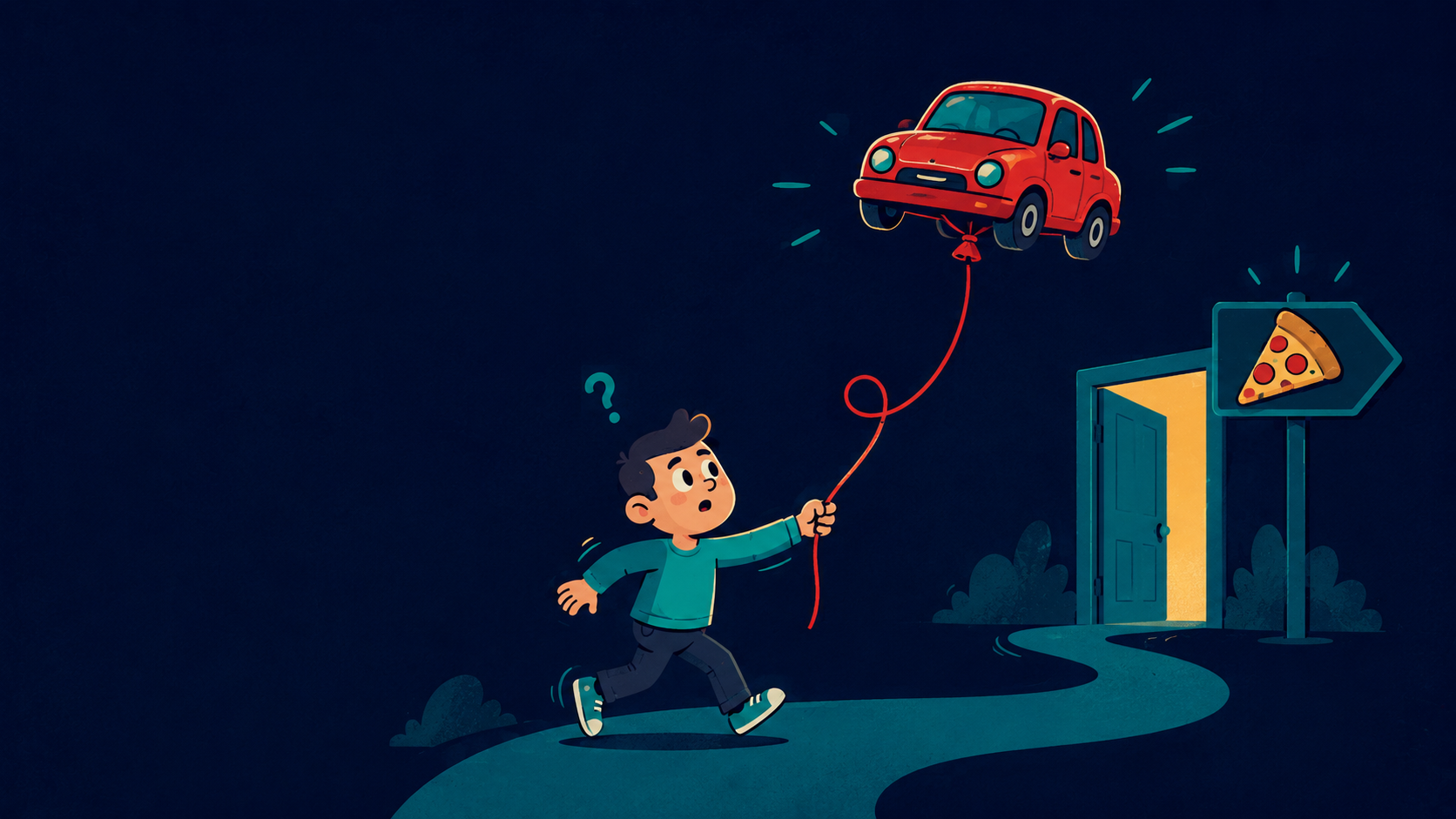
What actually drives a strong RSOC result is tight congruence between what the image promises, what the ad says, and what the article delivers. When you reuse one creative across different articles, you inevitably break that alignment. The ad promises one thing; the article talks about another.
Forget compliance for a second, this isn't about that. It's about a broken promise. You're taking a user with a specific intent sparked by your ad and dropping them on a page that doesn't answer it. The intent and the destination don't match.
Why this quietly kills your RPM
Follow the chain, because this is the part that hits your wallet.
When the ad and the article don't match, the keywords that surface in the RSOC block don't match the user's actual intent either. The user came looking for one thing; the related searches offer another. That mismatch degrades traffic quality. And when traffic quality drops, so does your RPM. The whole campaign underperforms, not because the creative was tired, but because you sent the right-ish user to the wrong page.
Congruence isn't a nice-to-have. It's the difference between traffic advertisers pay well for and traffic they don't.
What BulkCreative actually solves here
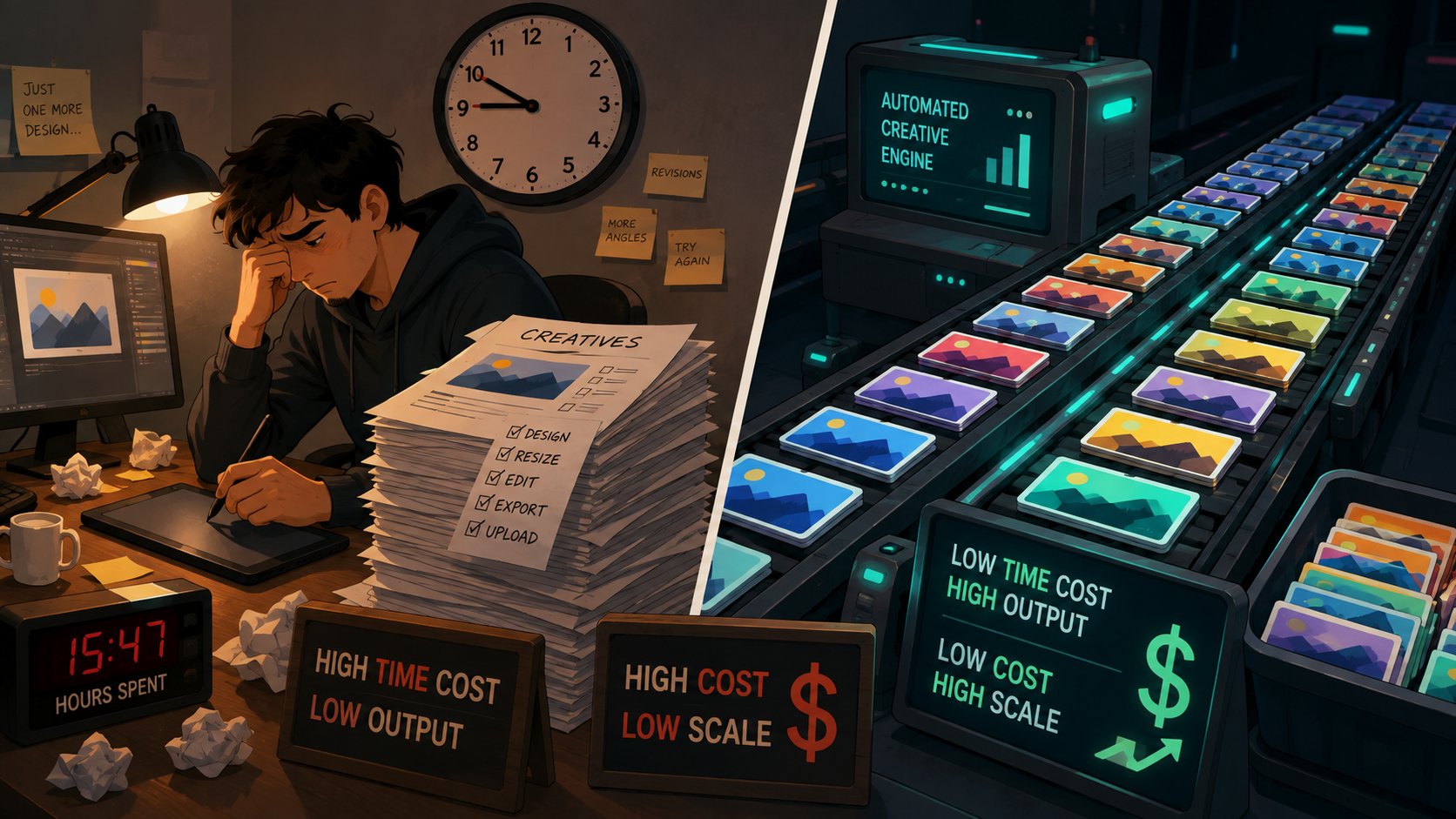
This is where the tooling earns its place. The reason operators reuse creatives isn't laziness, it's that producing a tailored creative for every article is slow and expensive. So they cut the corner and eat the RPM hit.
BulkCreative removes that tradeoff. It lets you generate creatives adapted to each specific article, so the framing of the image, the article, and the resulting search intent all line up. You deliver the right users into the funnel, the ones whose intent matches what advertisers are actually paying for, and that congruence is what pushes RPM up. The thing that was too expensive to do right becomes the default.
The bigger shift: stop guessing, start mining
Here's the mindset change that reframes everything.
Media buyers used to obsess over finding the one creative that performs best. That world is gone. Today, search arbitrage looks more like Bitcoin mining: you're prospecting to find where advertiser money actually pools. You don't bet big blind, you spend budget to dig deeper and discover where the value is.
That reframe changes how you attack a vertical. Instead of one article and one creative, you build a small cluster around a single problem:
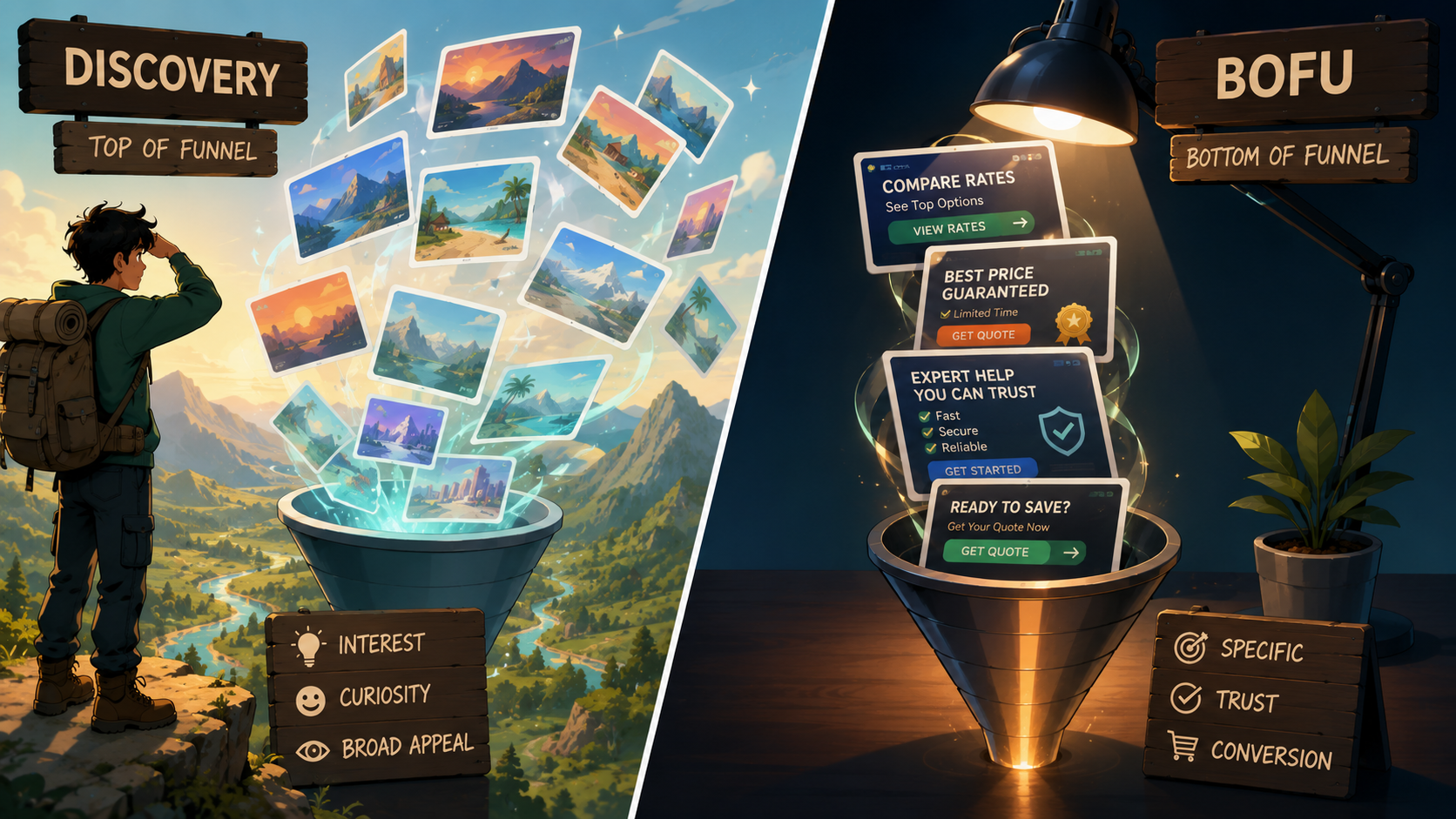
- A discovery-style spearhead. Top-of-funnel, more comparative, casting wide to find intent.
- A bottom-of-funnel closer. The article that captures and converts the intent you found.
Most operators skip this because producing the articles, and especially the matched creatives for each, is a grind. That's exactly the bottleneck BulkCreative is built to remove: enough creative throughput that mining a vertical properly becomes practical instead of theoretical.
The takeaway
Reusing one creative everywhere isn't just a fatigue problem, it's a congruence problem that silently drains your RPM. Match the ad to the article to the intent, treat vertical exploration like mining rather than one-shot betting, and you're playing the game the way it actually rewards in 2026. The only thing that ever made this hard was the cost of producing matched creatives at scale, and that's the exact problem worth solving.